
When we discuss the health benefits of love, we often focus on the love we give to children, spouses, friends, or pets. Yet, there is another form of love that is equally essential to your biological and psychological well-being: the love you offer to yourself.
After decades of putting others first, many seniors struggle with an inner critic that whispers thoughts of self-doubt, regret over past choices, or dissatisfaction with an aging body. Treating self-love as vital medicine allows you to quiet this harsh internal dialogue and replace it with profound inner peace.
1. The Internal Biological Climate: Critic vs. Caregiver
Psychological research demonstrates that your nervous system cannot distinguish between criticism coming from an external person and criticism coming from your own inner voice. When you indulge in harsh self-talk-such as “I’m too old,” “I should have done better,” or “I’m a burden”-your brain responds as if you are being attacked, releasing cortisol and adrenaline into your bloodstream.
Conversely, practicing self-compassion activates the brain’s caregiving system, releasing oxytocin and soothing neurochemicals that reduce blood pressure and restore emotional equilibrium.
2. Unburdening the Heart from Past Regrets
A major barrier to self-love in older age is dwelling on “what might have been”-past career decisions, financial setbacks, or missed relationships. Psychology teaches us that holding onto self-blame keeps the mind locked in a state of quiet grief.
Embracing self-love means offering yourself the same forgiveness you would extend to a beloved friend. You operated with the knowledge, emotional tools, and circumstances you had at that time. Giving yourself grace releases decades of emotional weight.
3. Three Pillars of Mindful Self-Compassion After 60
Dr. Kristin Neff, a leading psychological researcher on self-compassion, identifies three core elements that transform inner wellness:
- Self-Kindness vs. Self-Judgment: Replacing harsh self-criticism with comforting, supportive internal language.
- Common Humanity vs. Isolation: Recognizing that aging challenges, mistakes, and vulnerabilities are universal human experiences, not personal failures.
- Mindfulness vs. Over-Identification: Observing painful feelings without letting them define your identity or self-worth.
4. Daily Self-Love Practices for Senior Flourishing
Cultivating self-love is an enjoyable daily ritual. Try these simple practices to fill your own cup:
- Speak to Yourself Like a Cherished Friend: Whenever you notice negative self-talk, pause and ask: “What comforting words would I say to someone I love right now?”
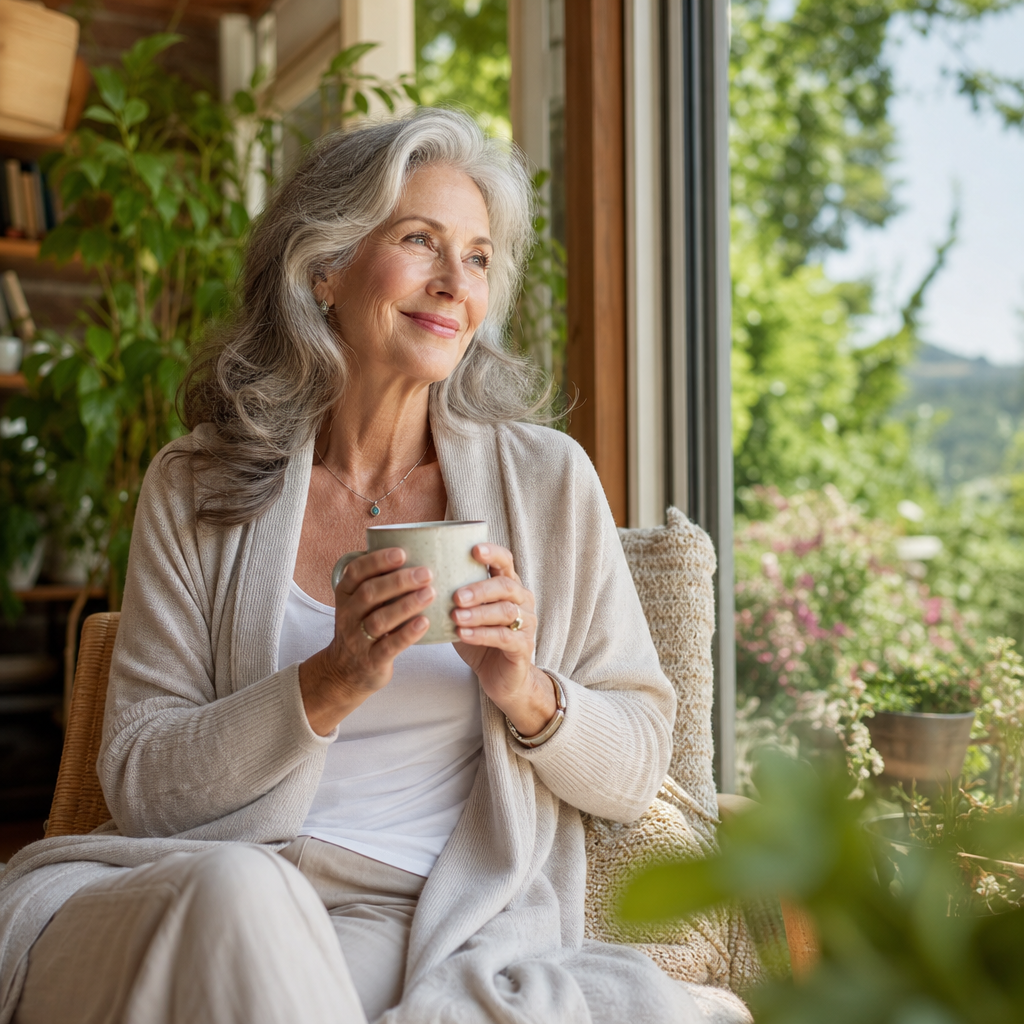
- Create a Sacred Morning Routine: Begin each day unhurried-enjoy a warm cup of tea, read an inspiring letter, and affirm your worth.
- Celebrate Small Victories: Acknowledge your daily achievements-gardening, completing an article, or offering a kind word to a neighbor.
Remember: You Are Worthy of Your Own Tenderness
You have spent a lifetime giving love to the world. Now is the time to turn that same warmth inward. Embracing self-love is not selfish-it is the ultimate investment in your health, joy, and longevity.